When you plan to rent a car at Sarajevo International Airport, most of the attention usually goes to choosing the vehicle brand, the size of the boot, the daily rental price and the insurance options. However, one of the most important decisions that directly affects your travel budget, as well as the overall experience of driving through the distinctive landscapes of Bosnia and Herzegovina, is the choice of engine fuel.
The decision between a diesel and a petrol engine is not just a matter of personal preference. The geographic terrain of our country, with many mountain passes, steep climbs and winding main roads, requires an engine with adequate power and fuel economy. In this detailed guide we will explain the key differences between diesel and petrol in a car rental offer, compare their consumption on real routes across BiH, and help you make a smart decision that will save you money.
Diesel engines: Kings of long distances and mountain climbs
Diesel engines have enjoyed the status of undisputed rulers of the roads across Bosnia and Herzegovina for decades, and that trend is especially pronounced in the car rental industry. The main reason lies in their specific technical design, which delivers enormous torque at very low engine revolutions.
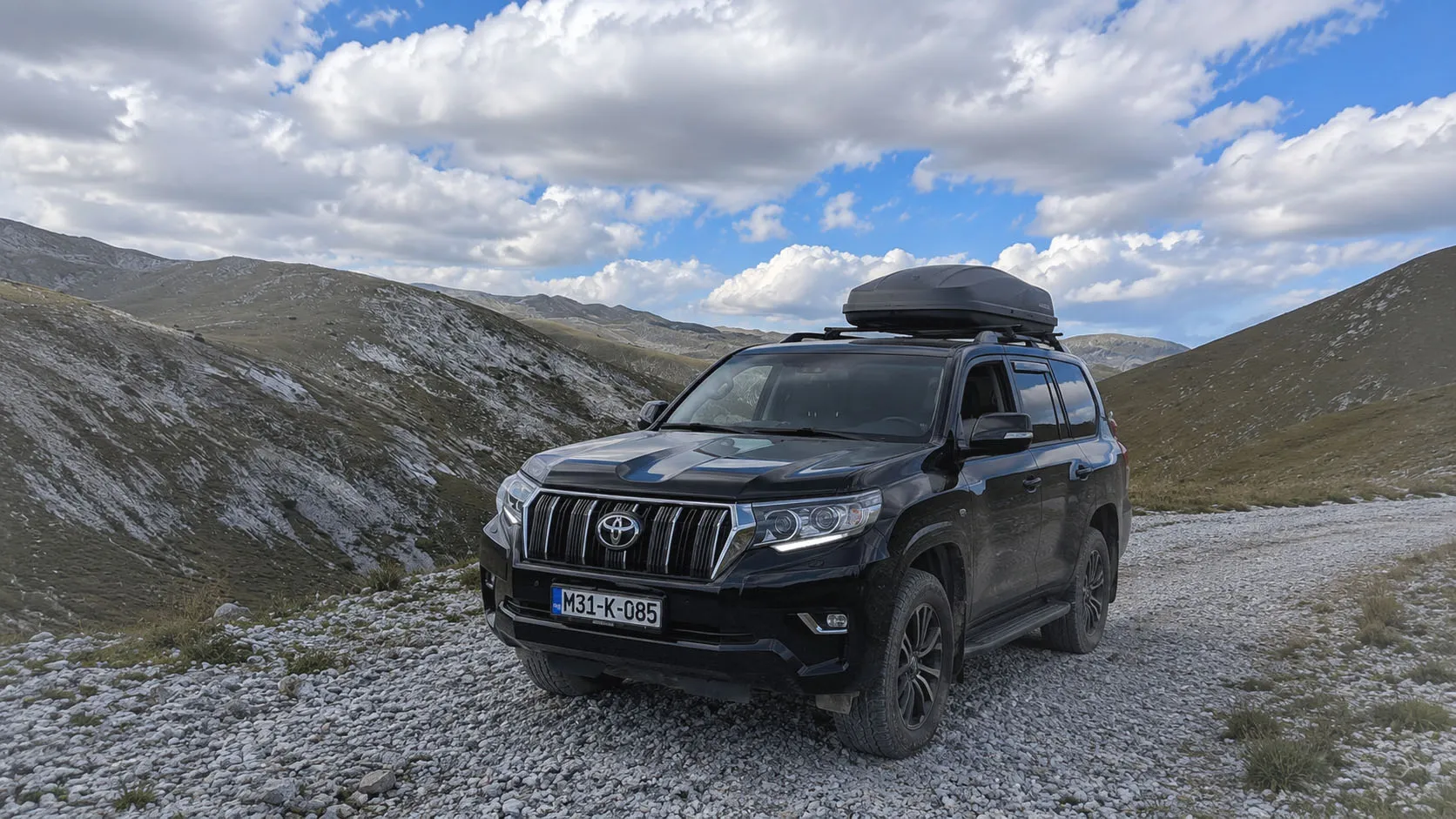
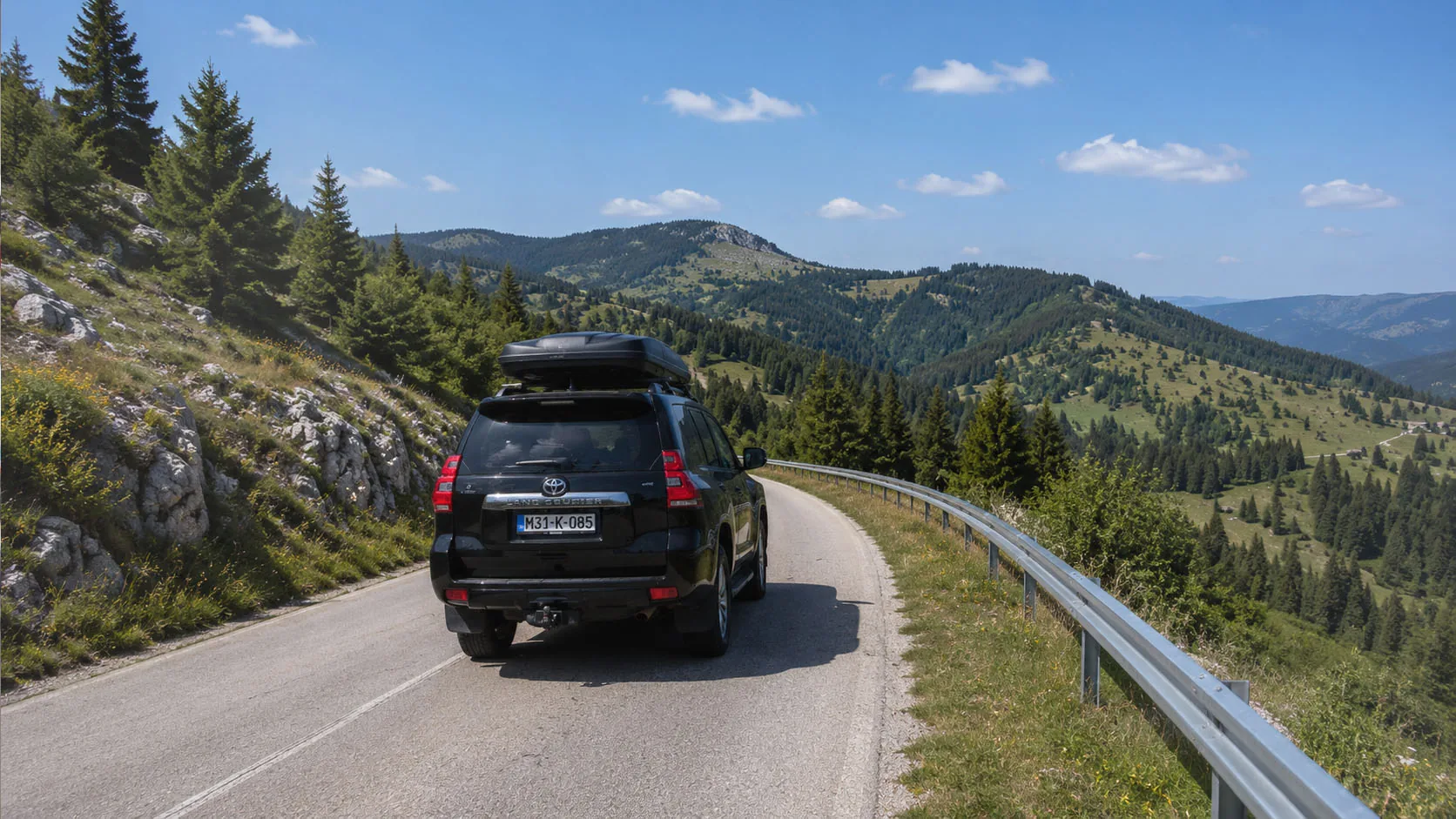
In practice, this means that diesel cars possess great pulling power. When you climb demanding mountain passes such as Ivan Sedlo toward Mostar, Karaula toward Tuzla or Romanija with your family and a full load of luggage, a diesel engine will conquer those climbs with incredible ease. The driver has no need to constantly change gears and push the engine into high revs, which makes the drive considerably more relaxed and quieter.
The second, and for many the most important, advantage of diesel is its outstanding fuel economy on open roads. Modern diesel engines in compact and estate class vehicles consume between 4 and 5 litres of fuel per 100 kilometres on the main roads in BiH. If you plan to cover high mileage, visit several cities in the country or set off on a regional trip to Croatia or Montenegro, choosing diesel will significantly reduce your total costs at the fuel pumps.
Petrol engines: Quietness, agility and the ideal choice for the city
On the other hand, the modern automotive industry has brought an enormous revolution when it comes to petrol engines. The old naturally aspirated petrol units that consumed a lot while delivering little power on inclines have been replaced by modern turbo-petrol engines that offer a completely different driving feel.
The main advantage of modern petrol vehicles is their exceptional refinement and quietness in operation. The cabin interior is maximally insulated from vibrations, which makes city driving incredibly comfortable. Petrol engines warm up to operating temperature considerably faster, which is of crucial importance during the winter months in Sarajevo when temperatures are often below zero, because you will have warm heating in the cabin just a few minutes after starting the car.
If your travel plan is primarily focused on city driving in Sarajevo, short trips to local attractions, business meetings in the central core, or you plan to cover a smaller total mileage during the rental, petrol is an excellent and often more economical choice. Modern turbo-petrol engines are exceptionally agile, respond quickly to the pressure of the accelerator pedal and provide a sporty driving feel that many drivers prefer.
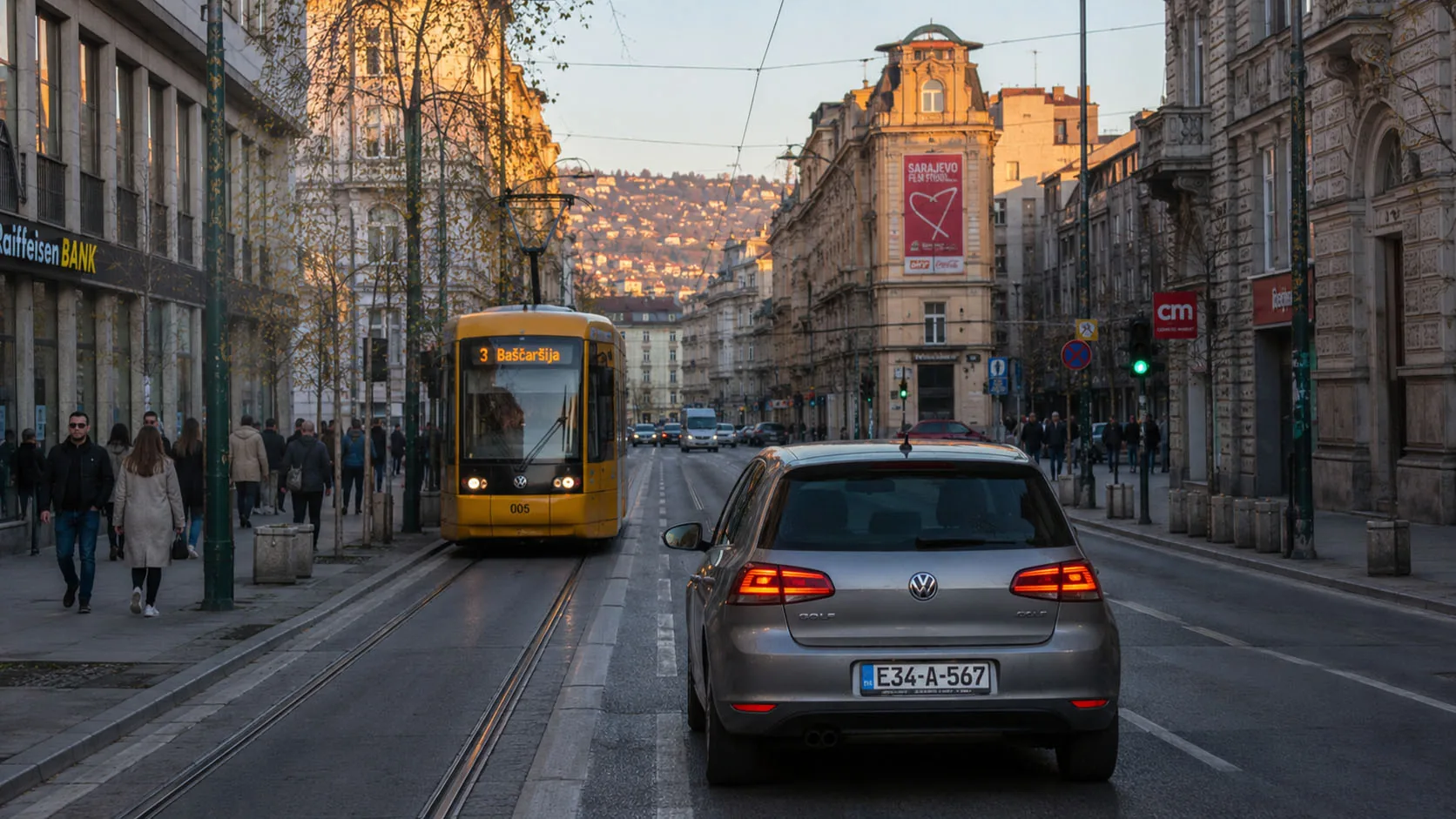
A realistic comparison of consumption and costs
To illustrate the difference for you, we will consider a realistic and very popular route, the drive from Sarajevo Airport to Mostar and back, which involves a combination of city driving, motorway driving and the demanding climb over Ivan. A mid-class diesel vehicle will cover this stretch with an average consumption of about 4.8 litres per 100 kilometres. On the other hand, a modern petrol car of similar size and power will achieve an average consumption of about 6.2 litres on the same route. On this single trip the difference in fuel cost is not drastic, but if your holiday lasts 10 or 15 days and you plan to cover more than 1,000 kilometres across Bosnia and Herzegovina, the difference in money becomes very much visible in favour of diesel power.
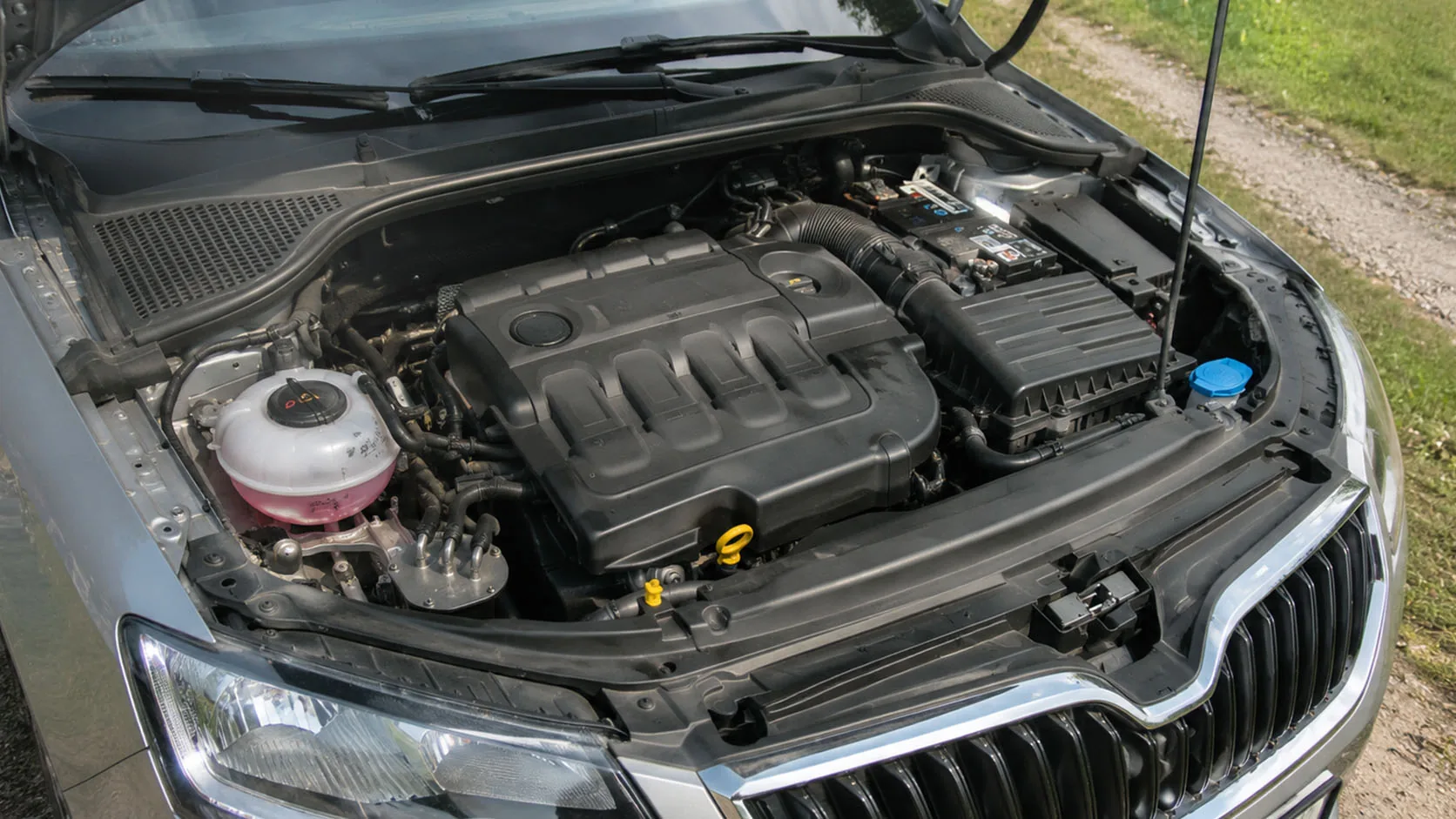
However, it is important to point out that through our partner network the rental prices of petrol vehicles are often somewhat more affordable than diesel models of the same class. For this reason we always advise clients to do the quick math, if you are going to cover a few kilometres, the initial saving on the rental price of a petrol car can completely offset its slightly higher fuel consumption on the road.
Golden rules at the fuel pumps and how to handle mistakes
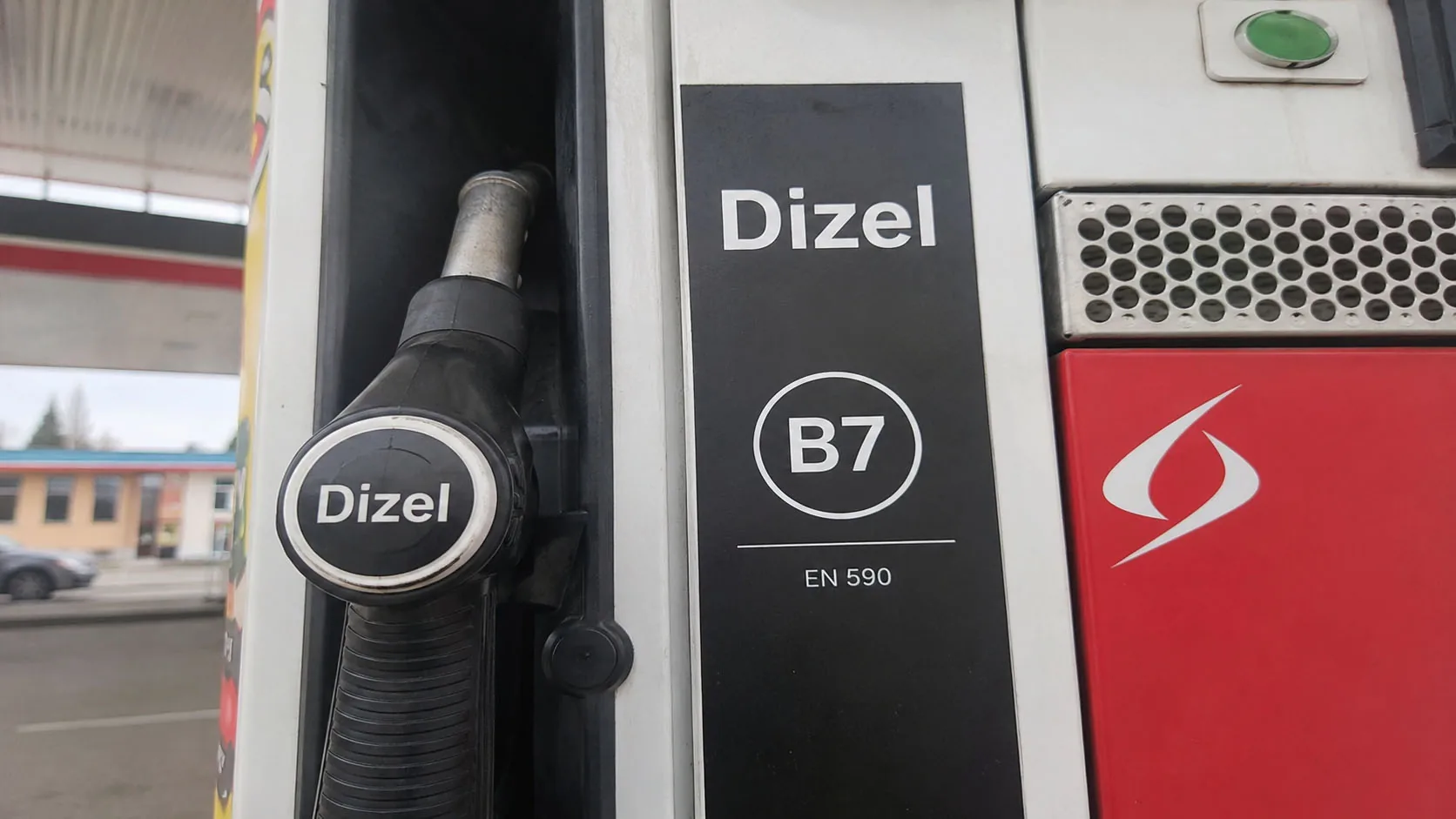
Regardless of which engine you choose, picking up a rental vehicle brings one major hazard that every driver must pay maximum attention to, and that is filling the wrong type of fuel into the tank out of habit from driving your own car privately.
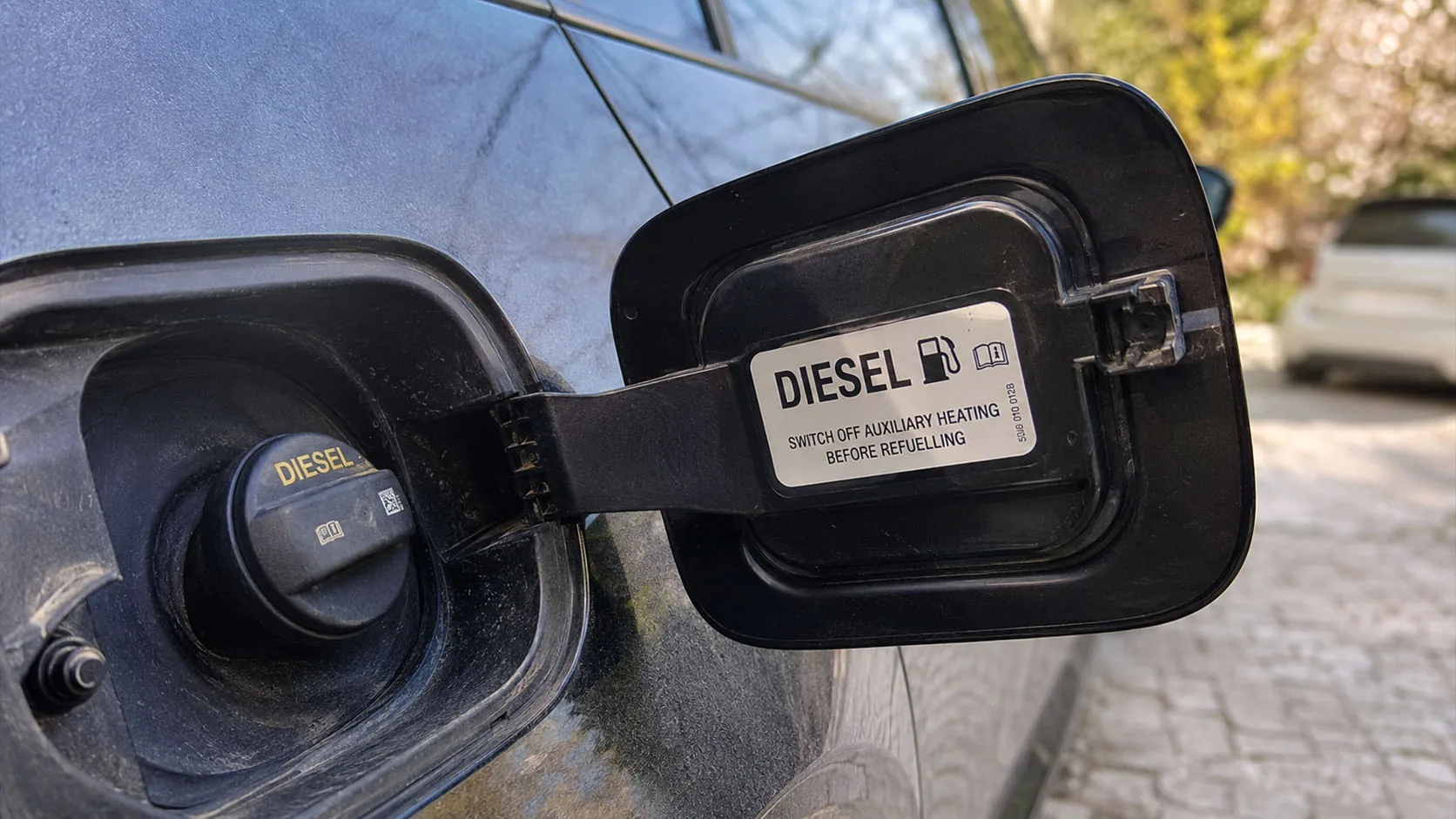
If the worst-case scenario does happen and you notice that you have filled the wrong fuel, the key rule is: never and under no circumstances start the engine, not even turn the ignition in the lock. If the engine stays off, the damage is minimal, the fuel can be safely pumped out of the tank at the pump itself with the help of the service team of our partner agency. If you start the engine, the wrong fuel will enter the injection system, the high-pressure pump and the injectors, which causes catastrophic mechanical failures whose repair costs are not covered by any type of comprehensive insurance and the full costs are borne by the client.