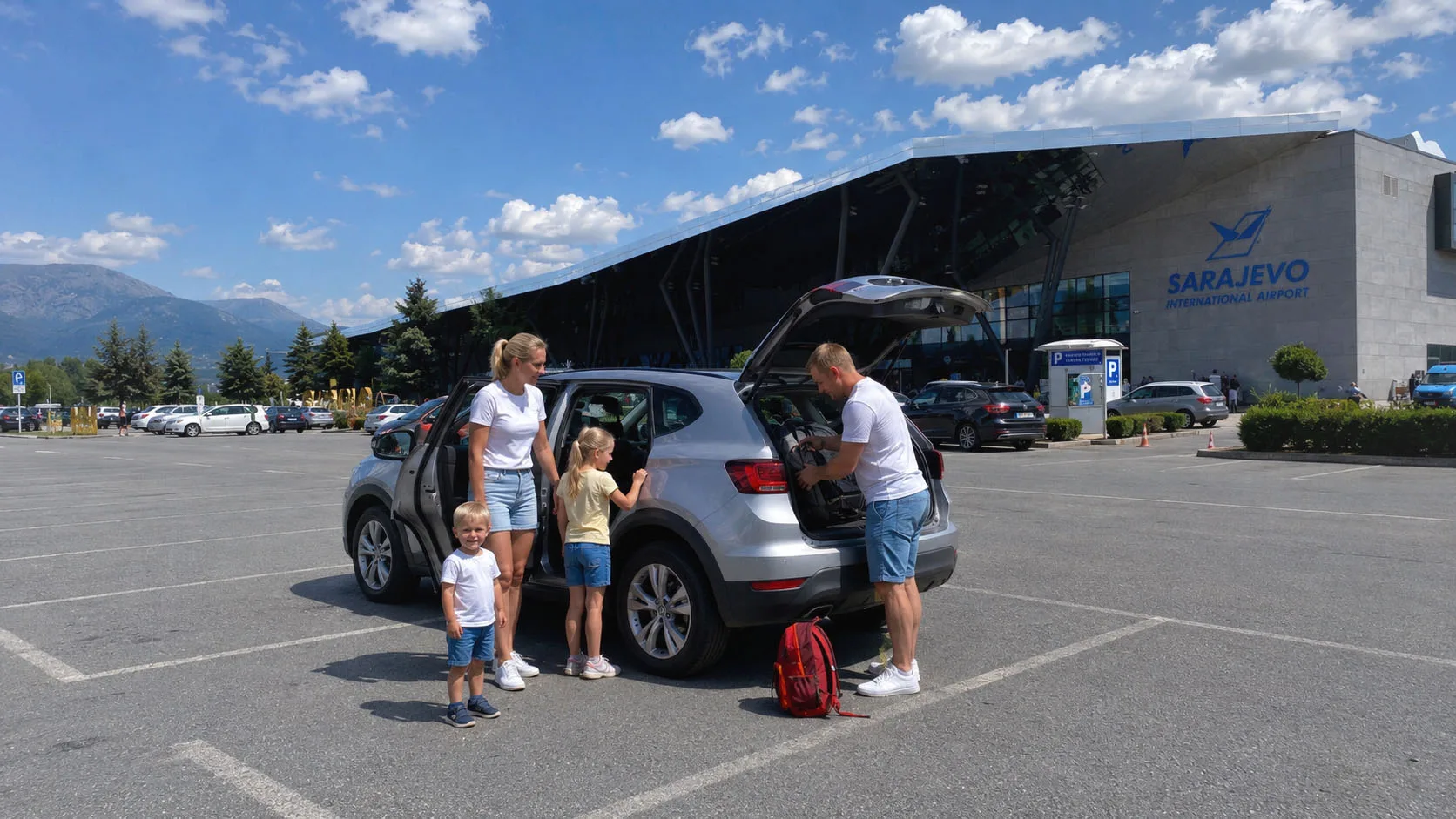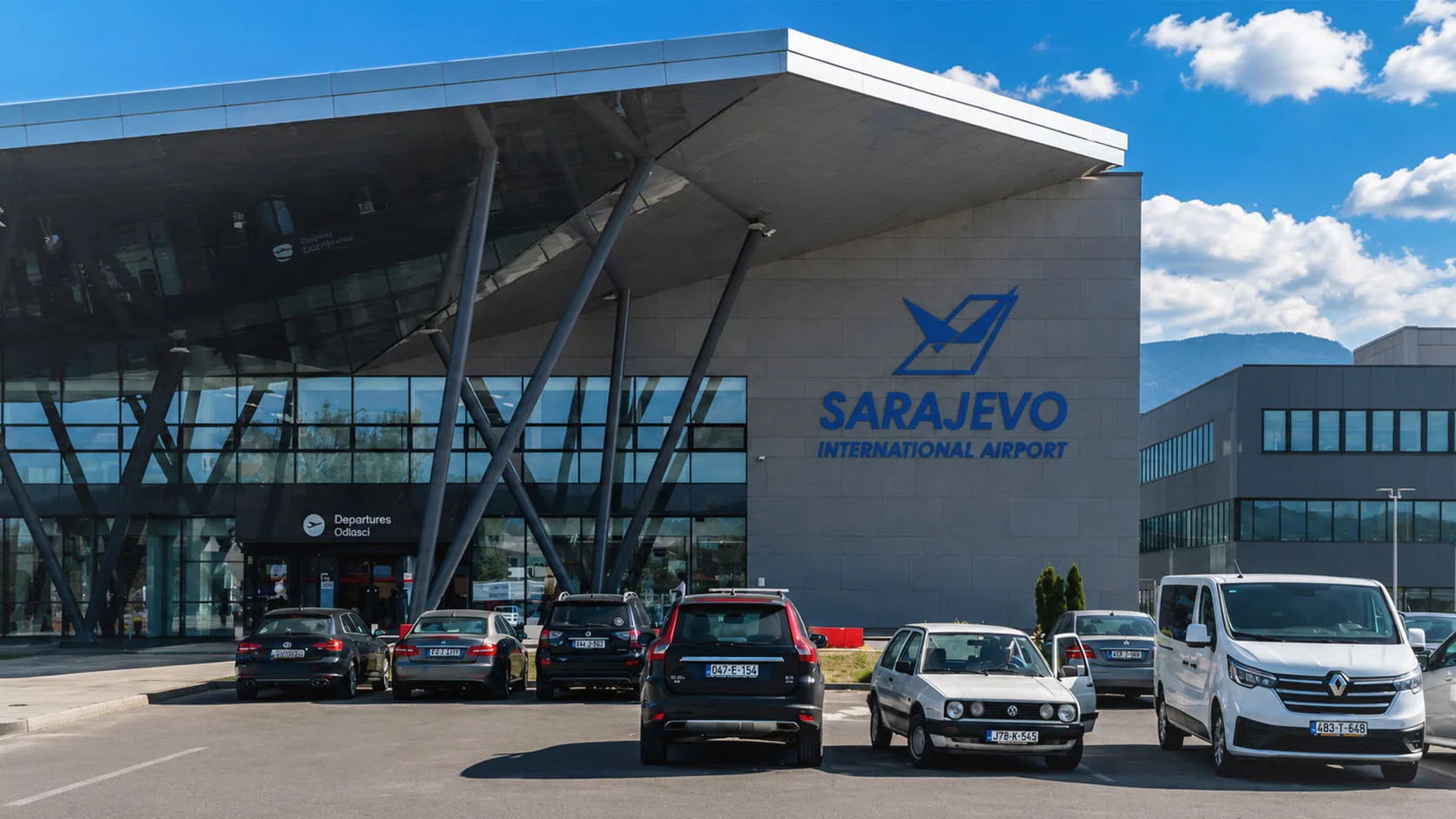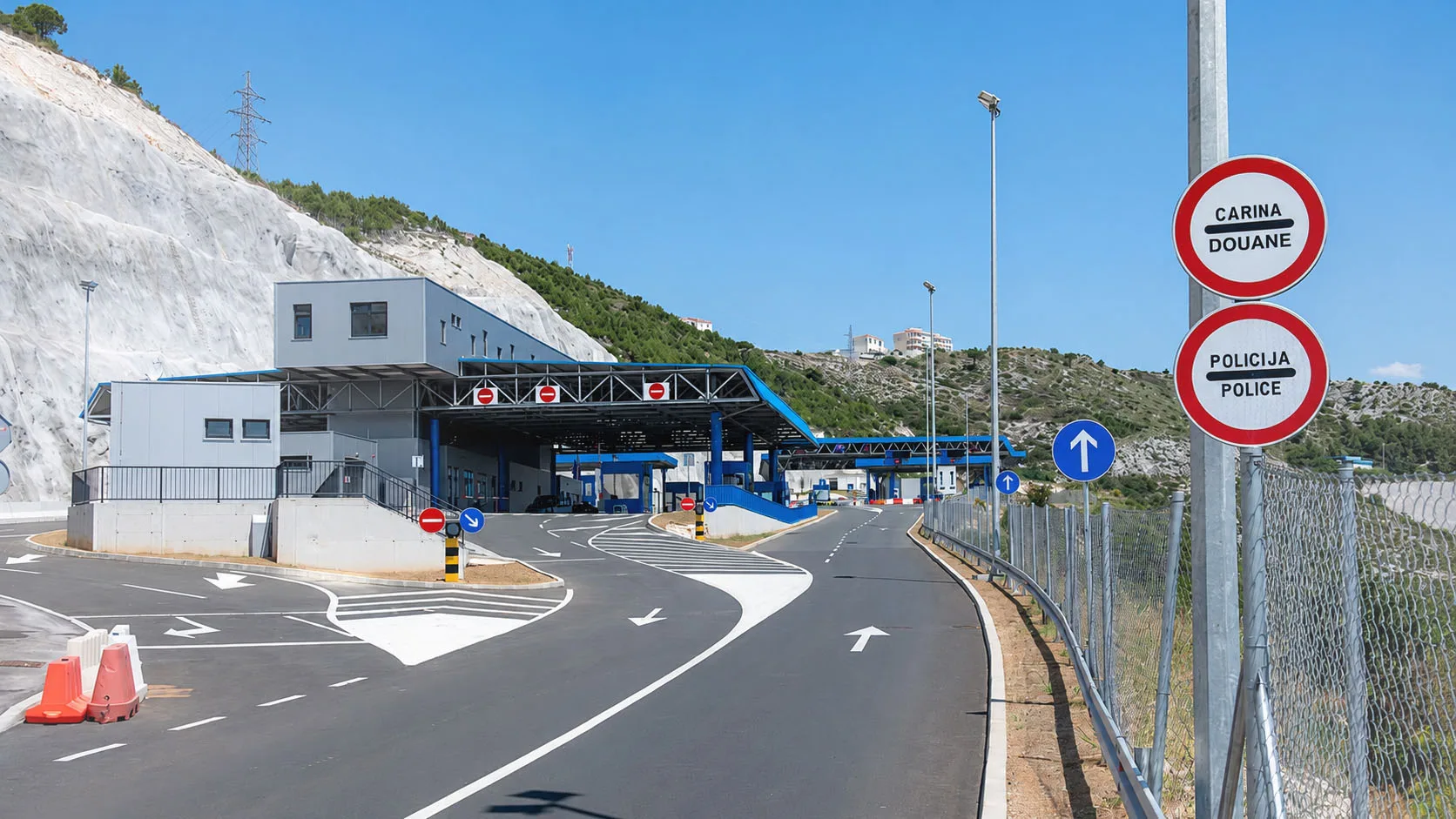
Sarajevo International Airport is an ideal starting point for every traveller who wants to explore not only the natural beauty of Bosnia and Herzegovina, but the entire Western Balkans region. Thanks to our country’s specific geographic position, just a few hours’ drive from Sarajevo takes you to the beautiful Adriatic coast in Croatia, the historic towns of Montenegro, or the business centres of Serbia.
However, since Bosnia and Herzegovina is not a member of the European Union, foreign tourists and our diaspora often feel a great deal of apprehension and uncertainty when it comes to crossing the state border with a rental car. In this detailed guide we explain all the legal and logistical aspects of cross-border rental, reveal which documents you need, and how to make your trip completely legal, safe, and free of hidden costs.
What is the “Green Card” and why is it key to crossing the border?
The first and most important thing to know if you plan to leave the territory of Bosnia and Herzegovina with a rental car is to have an international insurance card, commonly known as the Green Card. This document is the official proof that the vehicle has valid mandatory insurance covering any damage caused to third parties on the territory of other countries.
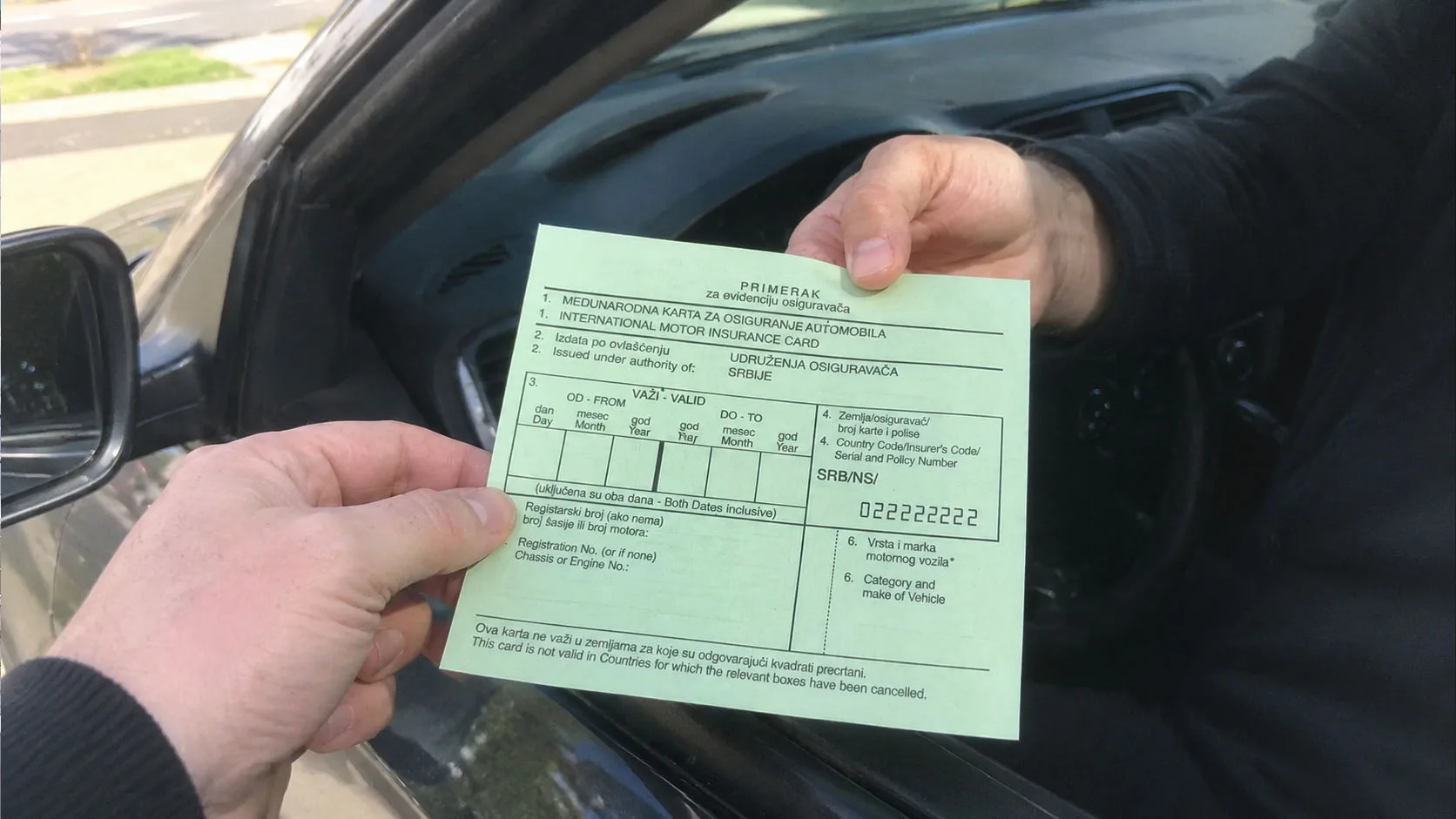
Although Bosnia and Herzegovina is a signatory to a multilateral agreement that allows entry into certain countries without physically presenting this paper, the border police in the region, and especially at the crossings towards Montenegro and Serbia, still regularly request this document for inspection when checking rental vehicles.
If you try to cross the border without the Green Card and the official authorisation of the rental agency, you risk high fines, a ban on entering the country, and even the temporary impounding of the vehicle. The procedure of our partners is fully transparent: when booking online or chatting via WhatsApp messages, it is enough to tell us which countries you plan to visit, and the complete cross-border documentation is prepared through our partner network and waits ready in the car’s glovebox.
Authorisation for travel abroad: Legal certainty comes first
Besides insurance, border officers must be sure that you do not possess the vehicle illegally and that you have full right to drive it outside the borders of the country where it is registered. That is why the partner agencies in our network issue an official power of attorney, that is, an authorisation to drive someone else’s vehicle abroad.
This paper is issued in the name of the main driver listed in the rental contract. If you plan for one of your fellow passengers to drive the car during the trip, you must tell us before collecting the keys at Sarajevo Airport. The additional driver must be entered into the contract so that the cross-border authorisation is legally valid for both persons, which ensures that comprehensive (CDW) insurance remains active in the event of any unforeseen situations on the roads abroad.
Popular international routes from Sarajevo and driving tips
From Sarajevo you can connect very quickly and easily with the key destinations in the region. Depending on your wishes, clients’ most frequent routes include the following directions: If you are travelling with your family and a lot of luggage, see also our estate and SUV rental guide.
Towards Croatia and the Adriatic coast
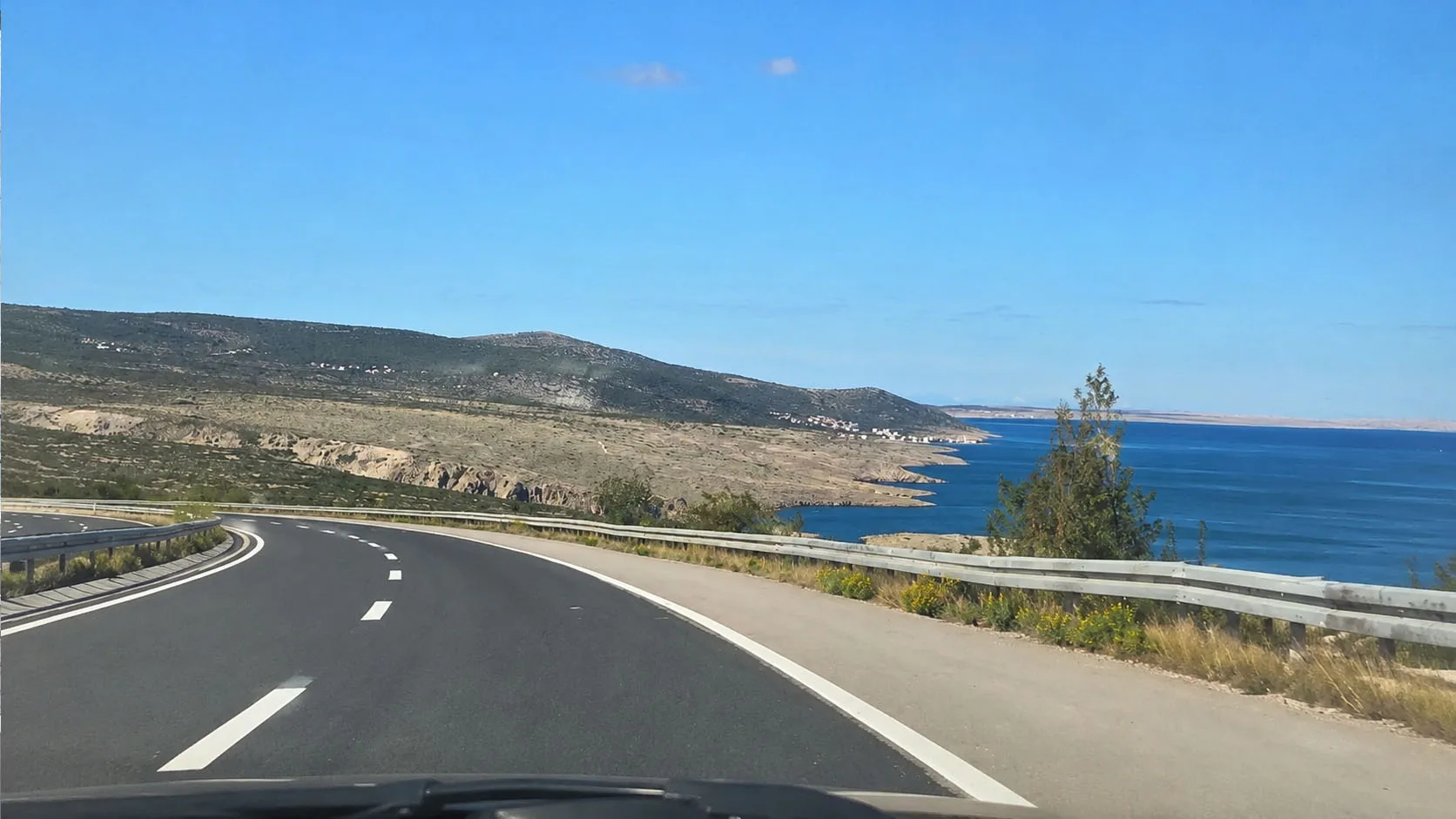
If you plan to visit Split, the Makarska Riviera, or the interior of Croatia, the road takes you via Zenica, Travnik, and Livno towards the Kamensko border crossing, or by the southern route via Mostar towards the Bijača border crossing, where you join directly onto the modern A1 motorway through Croatia. The drive to Split takes about 4 hours, while you reach Dubrovnik in roughly 4 to 5 hours, driving through the beautiful canyon of the Neretva river.
Towards Montenegro
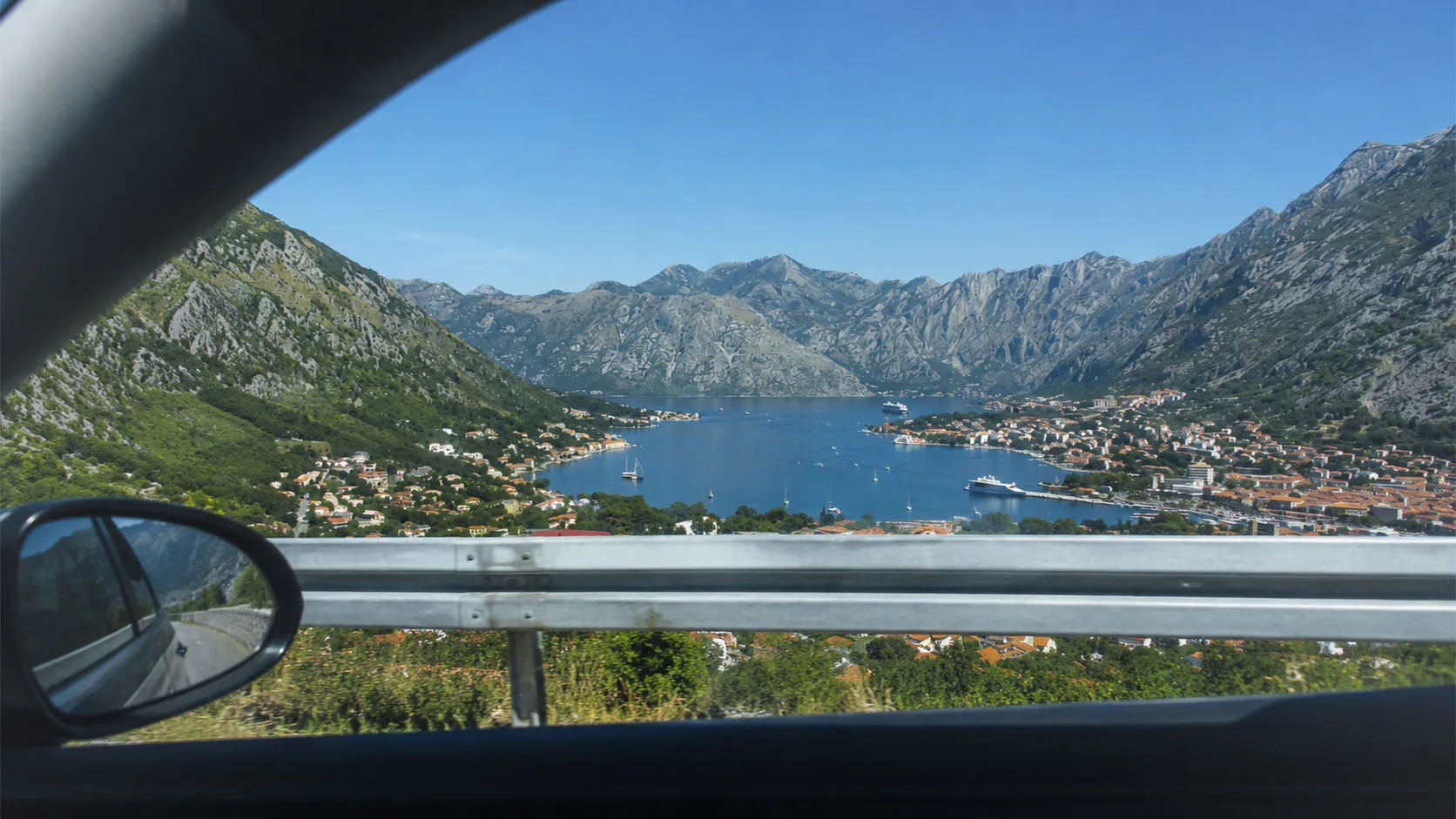
To reach Kotor, Budva, or Podgorica, the most common route goes via Foča and the Hum, Šćepan Polje border crossing. It is important to note that the stretch of road from Foča to the border itself is quite narrow and requires the utmost caution while driving. An alternative and considerably more comfortable route, especially during the winter months, goes via Trebinje to the Klobuk or Ilino Brdo crossings, from where you quickly descend to the beautiful Bay of Kotor.
How to avoid queues at border crossings
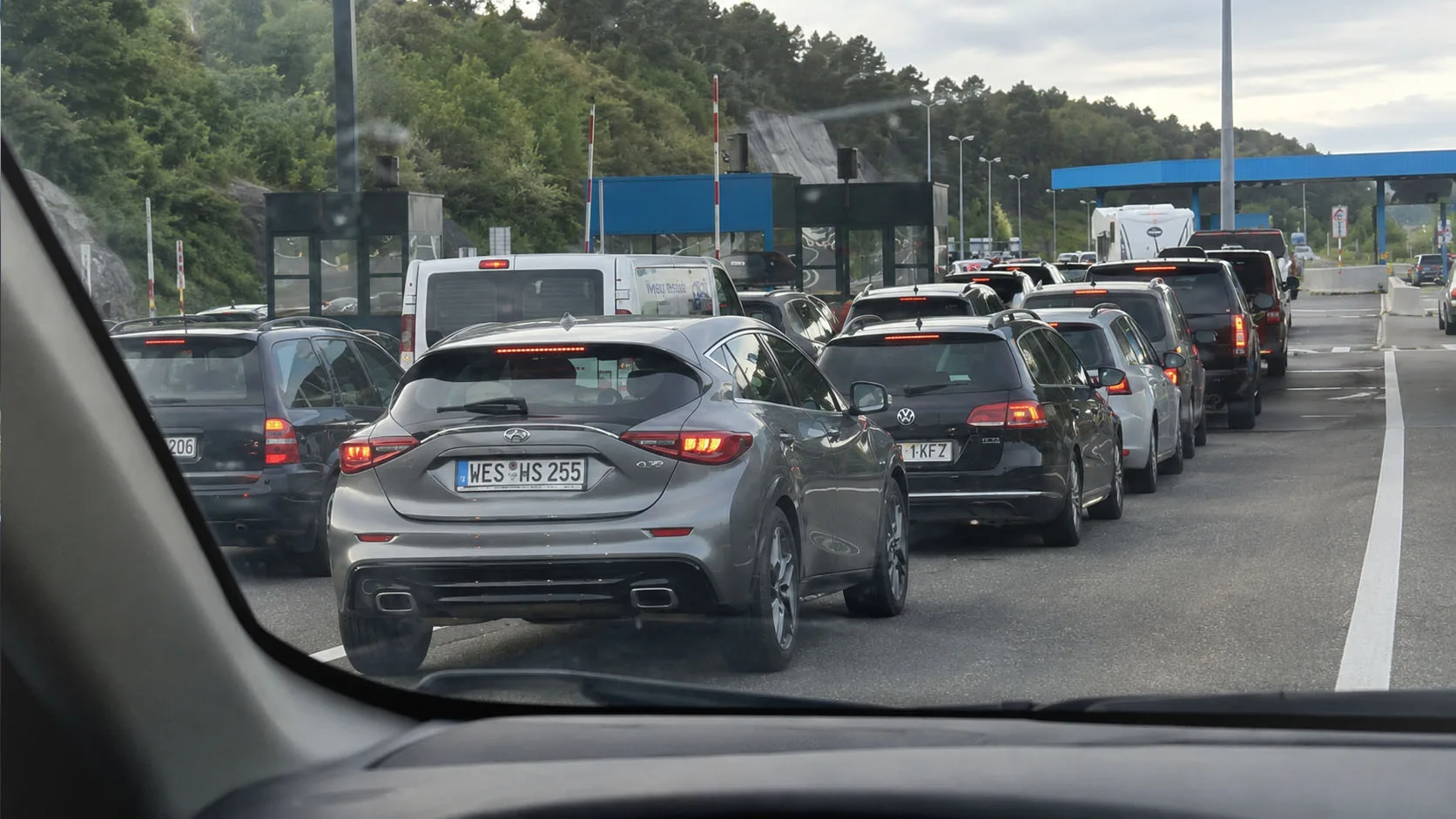
During the summer season, and especially in July and August, as well as during major religious and public holidays, kilometre-long queues can form at the main border crossings, which can significantly extend your travel time.
Do not forget that on the return you must bring the vehicle back to the partner agency’s base at Sarajevo Airport, with a full tank of fuel and in technically sound condition, exactly at the time defined by your rental contract.
Traffic regulations and handling emergencies in the region
Although the traffic laws in the countries of the region are quite similar to those in Bosnia and Herzegovina, there are certain specifics you must pay attention to in order to avoid expensive fines.
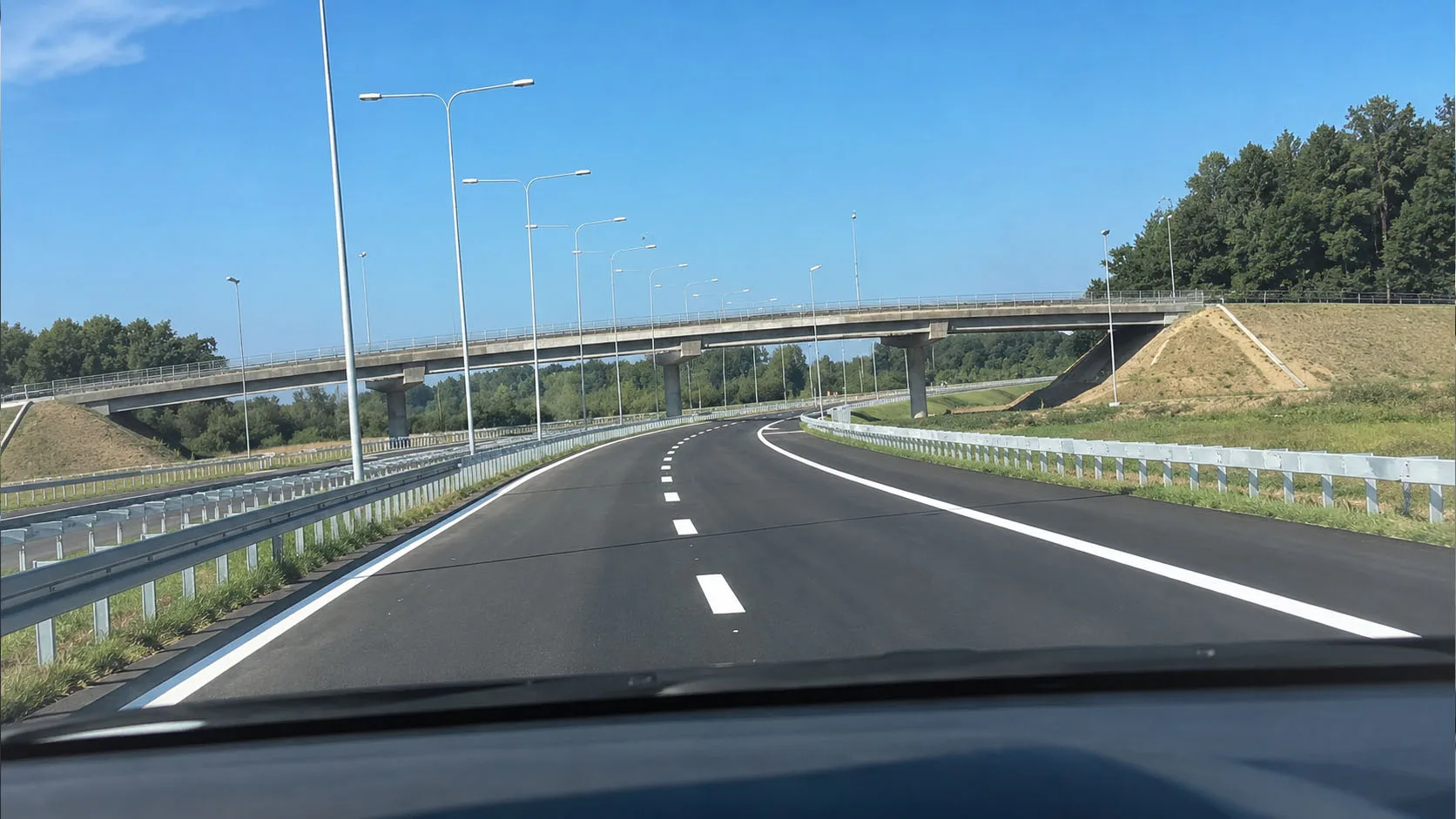
In Croatia and Serbia, driving with dipped or daytime running lights on is mandatory throughout the year, while in Montenegro strict zero-tolerance rules on alcohol apply to young drivers. Speed limits on motorways in Croatia and Serbia are 130 kilometres per hour, but checks with unmarked patrol cars and fixed radars are extremely frequent.
In the event of a traffic accident on foreign territory, the procedure is the same as in BiH. It is your absolute legal obligation to immediately notify the local police by calling 112 (the European emergency number) and to wait for them to arrive to create an official report. Without a police report from the country where the accident occurred, comprehensive insurance will not be able to cover the cost of the damage, and the entire financial burden may fall on you. After you call the police, contact us immediately via WhatsApp as well so that we can provide you with legal and logistical support.